What Color Shoes Go With a Champagne Dress?
Gold, nude, silver, and burgundy all work with champagne dresses — but the right choice depends on your dress undertone. Stylist-approved pairings for weddings and events.

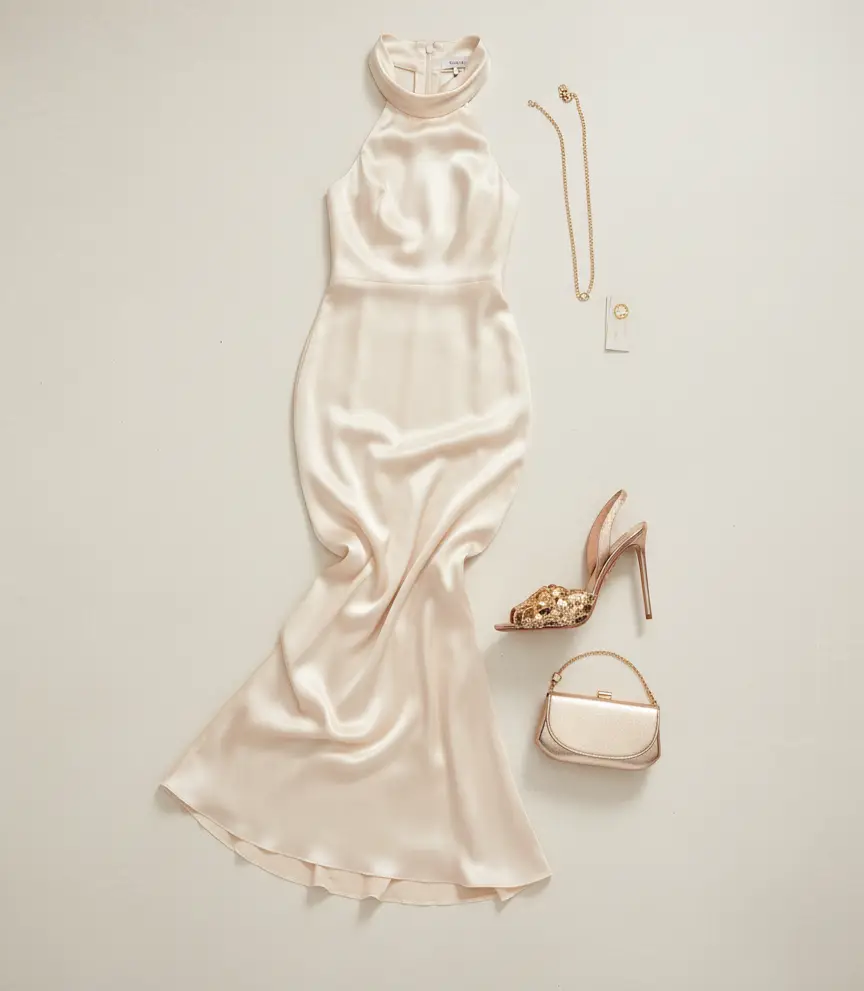
The short answer: gold, nude, silver, blush, and rose gold all work beautifully with a champagne dress. For something bolder, try burgundy, navy, or black.
But here's what most guides miss: champagne isn't one color. It shifts between warm gold, cool beige, and soft blush depending on the fabric and lighting. The best shoe choice depends on which way your dress leans.
This guide breaks down each pairing with specific advice on undertones, textures, and what to avoid.
.webp)
The Safe Bets
These pairings work with almost any champagne dress.
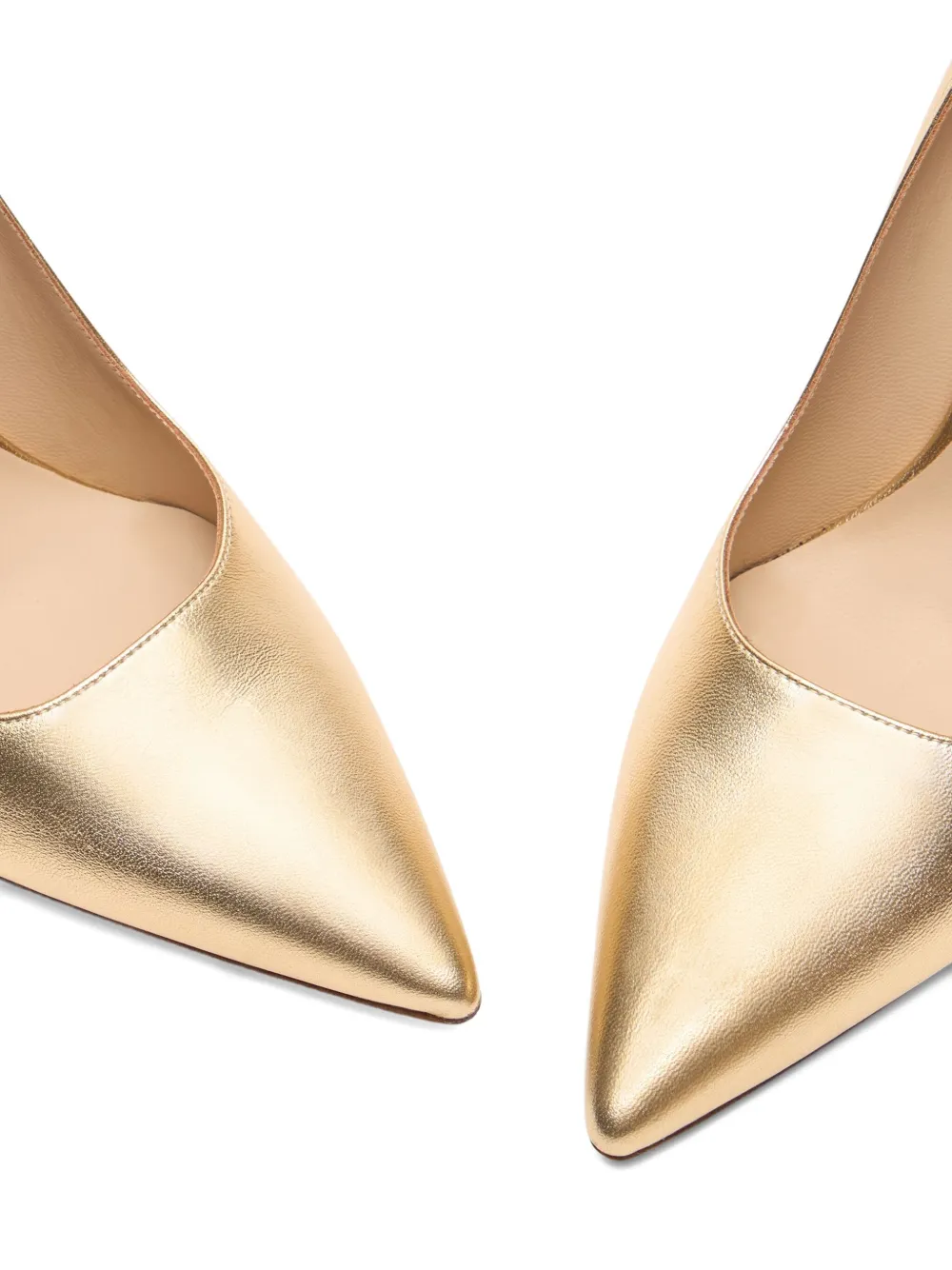
Gold — The Universal Choice
Gold is the most reliable pairing because champagne sits on the same color spectrum — both are tints of orange/yellow. Gold creates a harmonious, continuous line rather than a contrast.
Which gold depends on your dress:
- Yellow-based champagne → Classic yellow gold
- Blush-based champagne → Rose gold
- Neutral champagne → Either works
Texture tip: Avoid flat, painted gold. Look for metallic foils or brushed gold leather. A brushed finish photographs better than high-shine "mirror" gold — it looks more expensive and doesn't create harsh reflections.
Best for: Traditional weddings, evening events, black-tie.
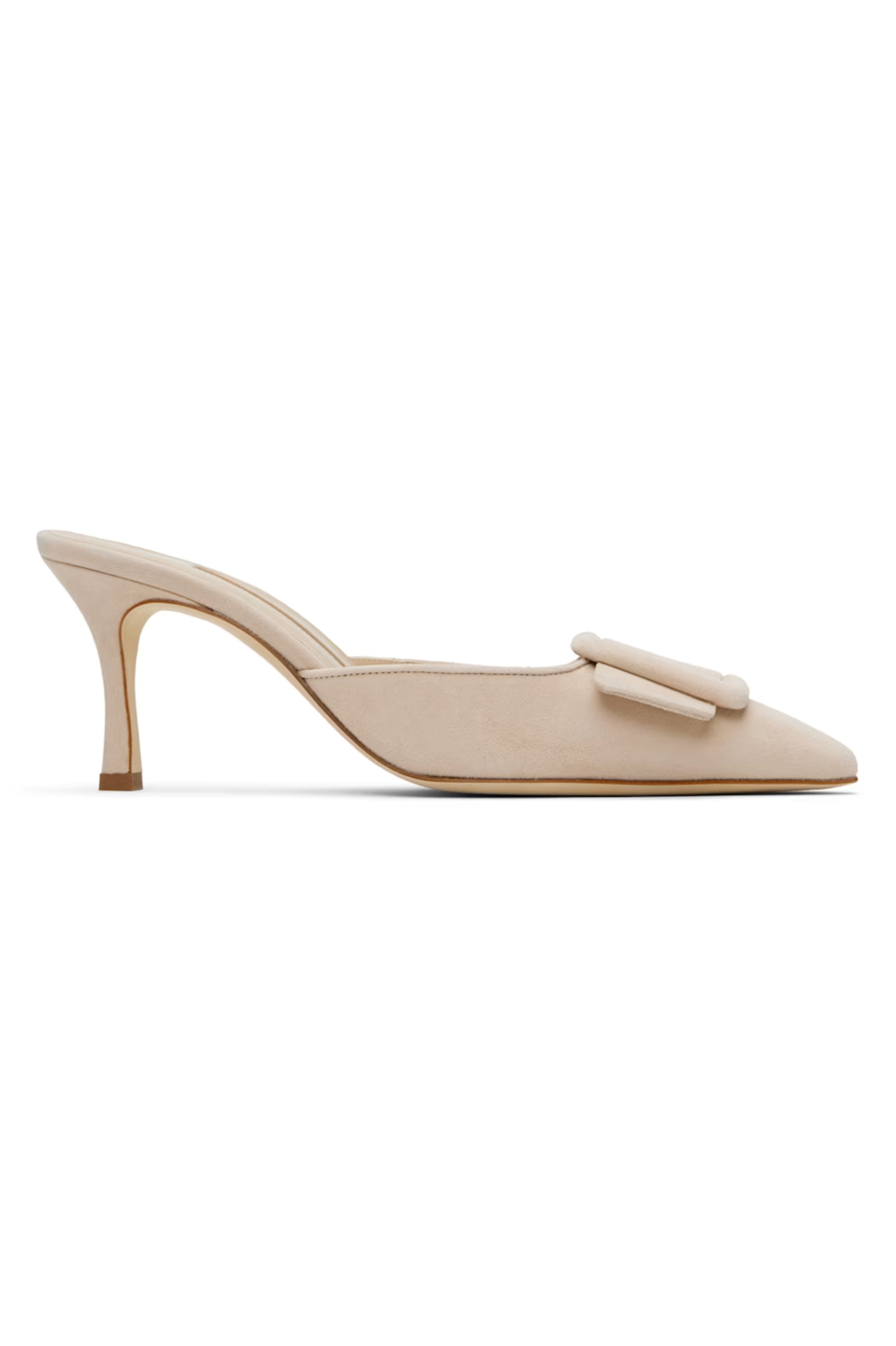
Nude — The Invisible Shoe
The goal with nude is invisibility. The shoe disappears and your leg becomes one long line from hem to floor.
The leg-lengthening trick: Stylists swear by this for tea-length or midi dresses. A shoe matching your skin tone prevents the visual "cut" at the ankle, making legs look longer.
Critical: Nude must match your skin tone, not your dress. This is where most people go wrong.
The risk: If the nude is too light (pale beige on deep skin) or too dark (tan on fair skin), it looks like a mismatched block of color rather than an extension of the leg.
Best for: Outdoor weddings, when the dress has embellishments you want to highlight, bridesmaids in midi-length dresses.
.webp)
Blush & Rose Gold — Soft and Romantic
Both add warmth and femininity without competing with champagne.
Rose gold bridges warm and cool — the pink undertone keeps it soft while the metallic finish adds glamour. It's particularly good if your champagne dress leans pink/blush.
Blush (matte) creates a tonal, romantic look. Works beautifully for garden weddings and spring events.
Best for: Romantic settings, garden weddings, bridesmaids.
.webp)
The Cool Contrast
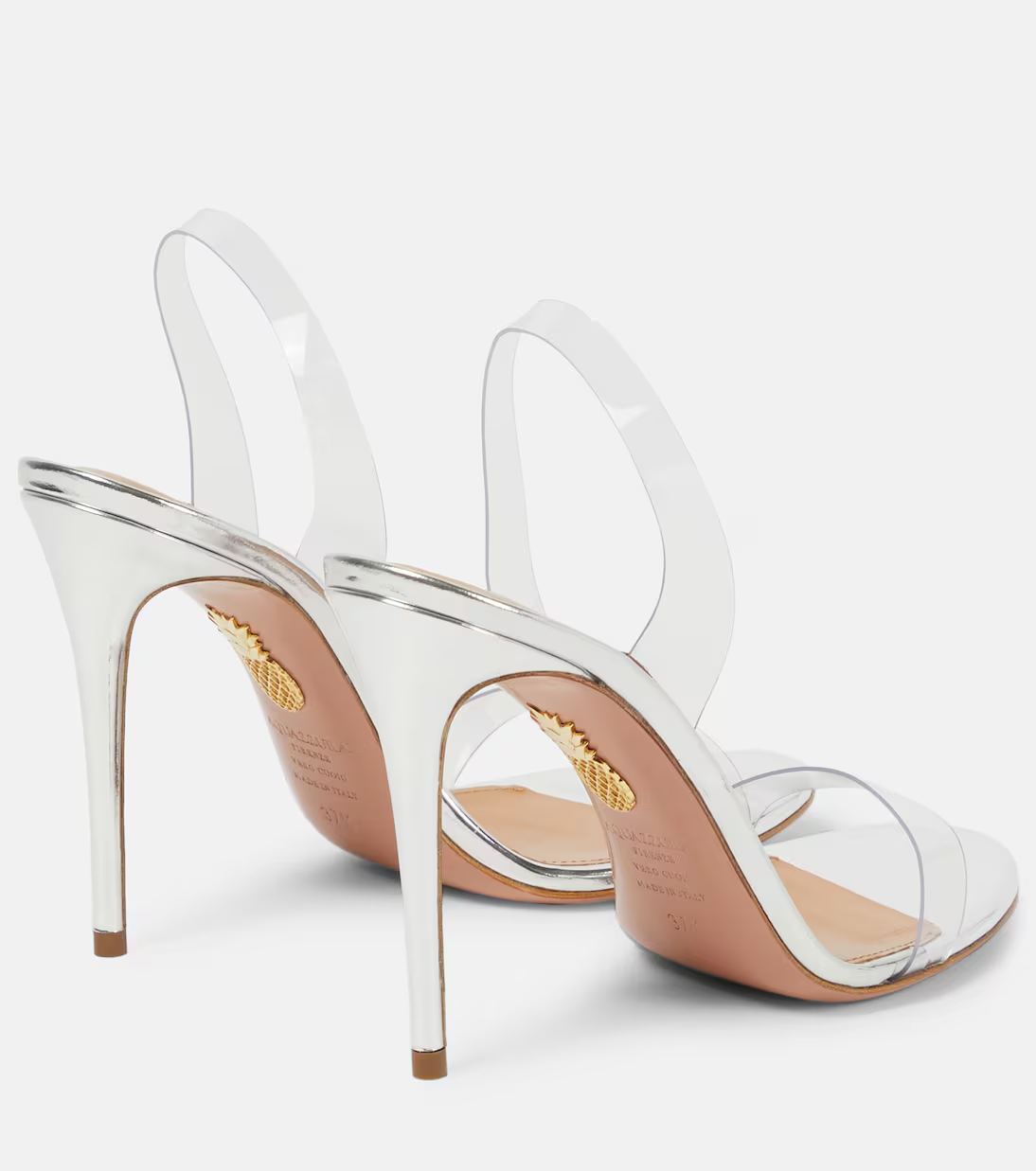
Silver & Pewter — Modern and Crisp
While gold melts into champagne, silver stands out against it. This creates a crisp, modern contrast rather than a blended look.
Stylist tip: Pewter (darker, muted silver) is often better than bright sterling silver. Pewter bridges the gap between the warmth of the dress and the coolness of the metal, so the contrast feels intentional rather than jarring.
Best pairing: This works exceptionally well if your champagne dress has silver beading or crystal embellishments.
Watch for undertone clash: A very cool, steely silver against a very warm, buttery champagne can create visual tension that looks accidental. If your dress is warm-toned, consider pewter over bright silver.
Best for: Winter weddings, evening black-tie, "greige" (grey-beige) champagne dresses, modern/minimalist aesthetics.
.webp)
The Bold Choices
For those who want their shoes to make a statement.
Navy — Sophisticated Contrast
Navy creates a sophisticated, royal pairing with champagne. It photographs beautifully and counts as your "something blue."
Why it works (color theory): Champagne is a tint of orange/yellow. Blue is its complement on the color wheel. This satisfies the principle of contrast while still feeling harmonious.
Best for: Formal weddings, bridesmaids wanting a subtle color pop.
Burgundy & Wine — Warmth and Drama
Burgundy adds richness without going full "statement." It's bold but still sophisticated.
Why it works: Red is analogous to orange/yellow (champagne's base) but deeper. It creates warmth and drama without clashing.
Texture note: Stylists love burgundy in velvet for autumn/winter weddings, or satin for evening events.
Best for: Autumn and winter weddings, evening events, when you want drama without going to black.
Black — Maximum Contrast
Black creates the strongest contrast. It's dramatic, chic, and fashion-forward.
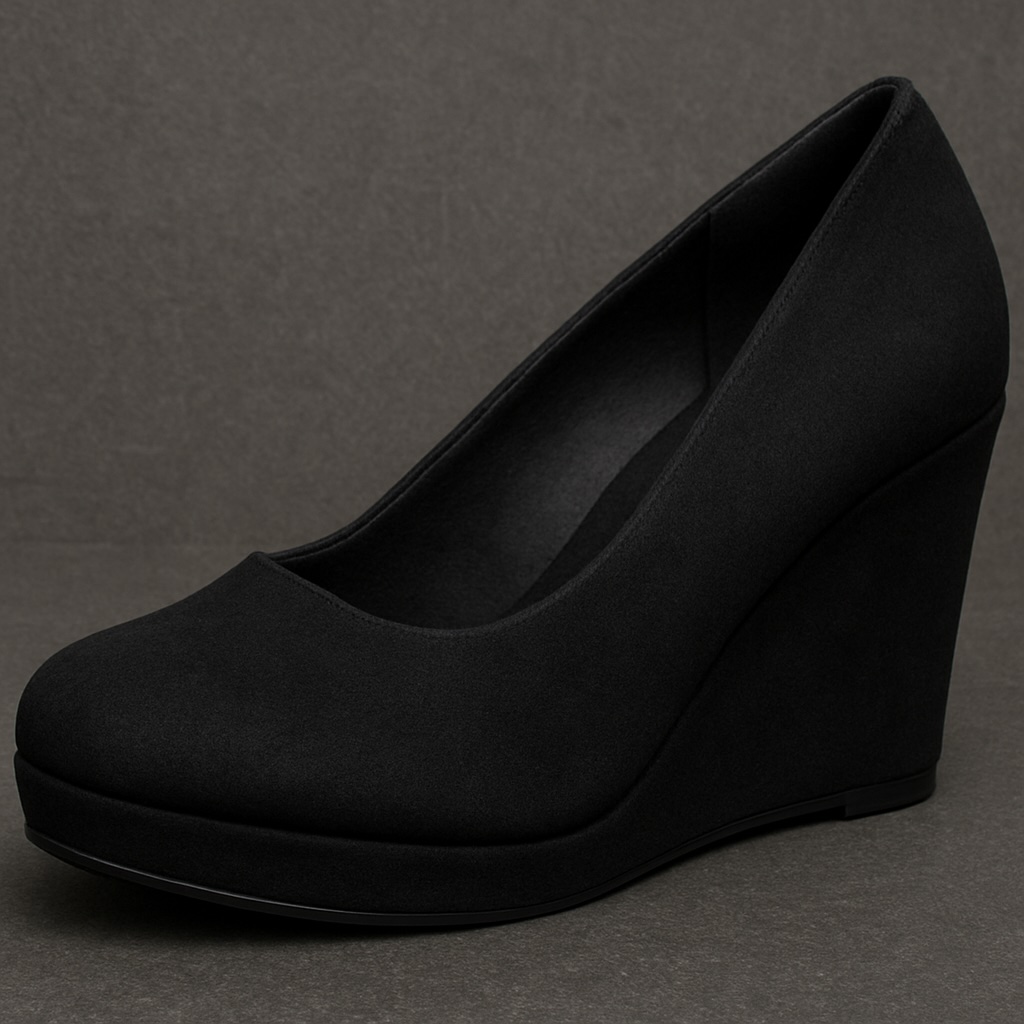
Best execution: A black stiletto or strappy sandal keeps it elegant. Avoid chunky black shoes, which can look heavy against champagne's softness.
Best for: Cocktail parties, fashion-forward brides, evening weddings, modern aesthetics.
.webp)

What to Avoid
The "Prom Match" — Exact Color Matching
The mistake: Dyeing satin shoes to match a satin dress exactly.
Why it fails: It looks dated and flat. The shoe disappears in a bad way, and the lack of texture contrast makes the outfit look like one solid block.
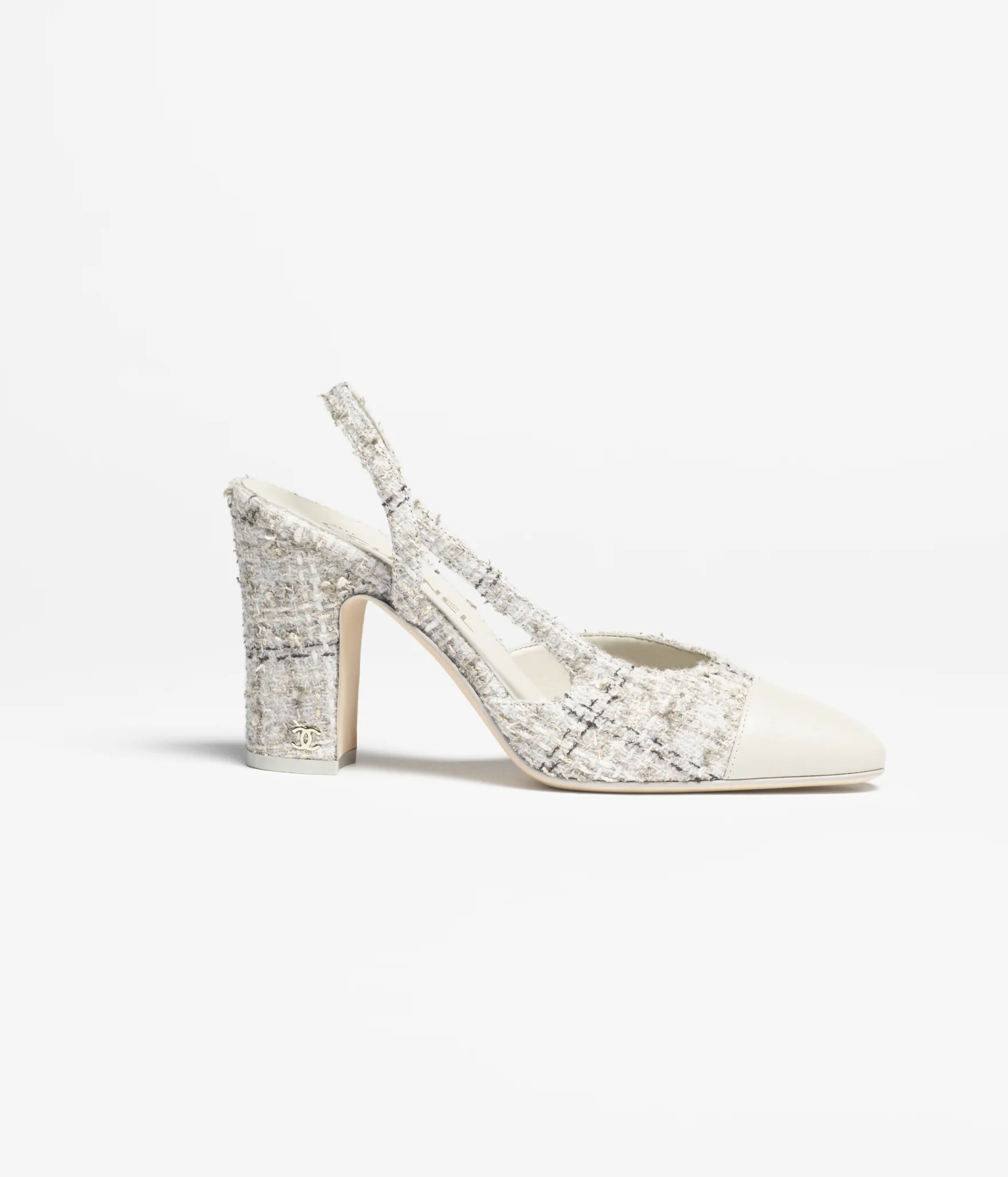
The fix: If you want monochromatic, change the texture. Pair a smooth satin dress with a glitter or metallic leather shoe in the same shade.
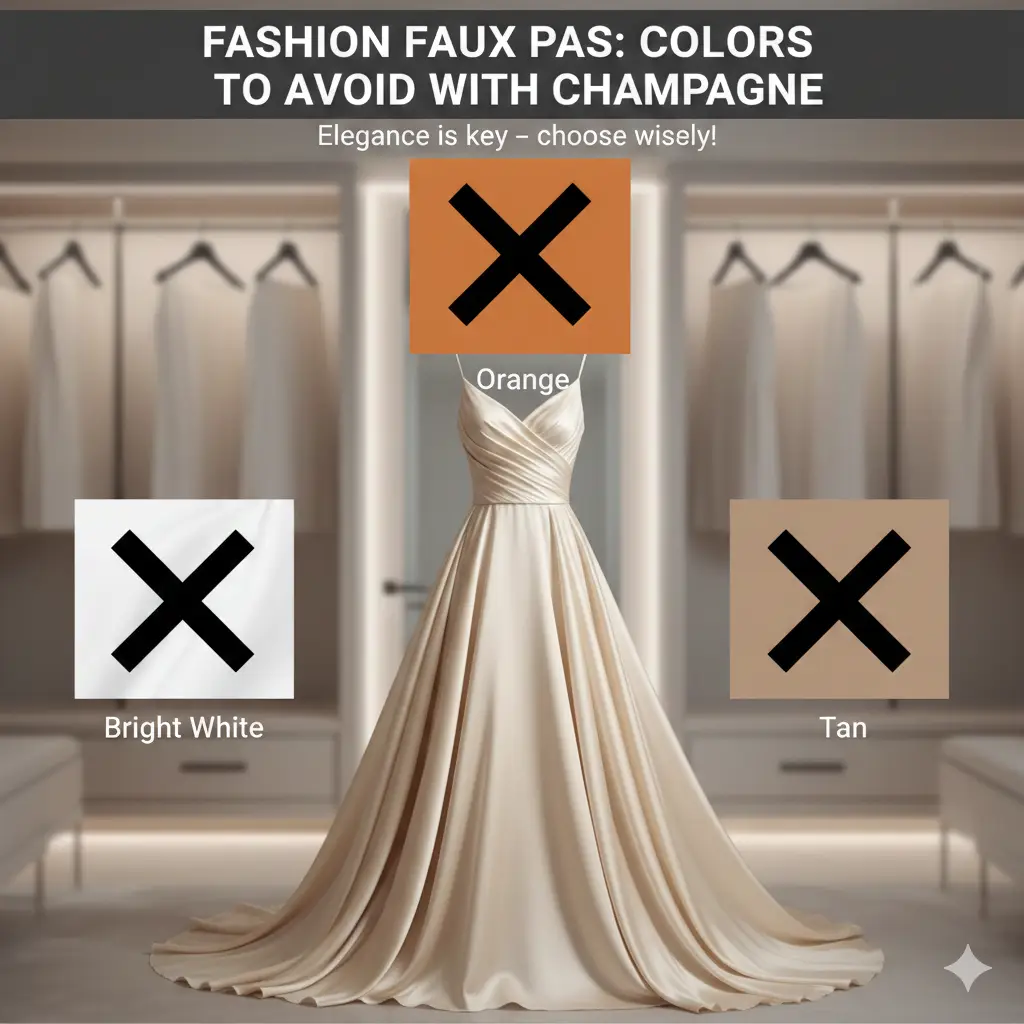
Bright White or Ivory
The mistake: Wearing stark white shoes with champagne.
Why it fails: Next to the rich complexity of champagne, bright white looks clinical — and can actually make your dress look dirty or yellow by comparison.
Exception: A very creamy, warm off-white can work, but it's risky. When in doubt, skip it.
Orange and Tan
The mistake: Choosing tan, camel, or orange-toned shoes.
Why it fails: Too close to champagne's undertones. Creates a muddy, washed-out effect rather than contrast or harmony.
Mismatched Undertones
The mistake: Pairing a cool, steely silver with a warm, buttery champagne (or vice versa).
The result: Visual tension that looks accidental rather than intentional. The colors fight instead of complement.
The fix: Match temperatures. Warm dress → warm metallics (gold, rose gold, bronze). Cool dress → cool metallics (silver, pewter).
Quick Guide by Dress Undertone

Quick Guide by Occasion
Champagne is one of the most versatile dress colors because it shifts depending on light and fabric. The key is paying attention to whether your specific dress leans warm (golden), cool (greige), or pink (blush) — then matching your shoe temperature accordingly.
When in doubt: nude or gold. They work with every champagne undertone and every occasion.
.JPEG)
Brendan Creaser
Wedding Photographer from the Mornington Peninsula in Australia, Brendan has been photographing the latest styles in wedding shoes and beyond for the past 6+ years.


Shop the products mentioned in this article



.avif)

Don’t miss any article from Affiliate
Lorem ipsum dolor sit amet consectetur adipiscing elit ut aliquam, purus sit amet luctus venenatis lectus magna fringilla urna.